Is California Ready to Steer This Ship Around?
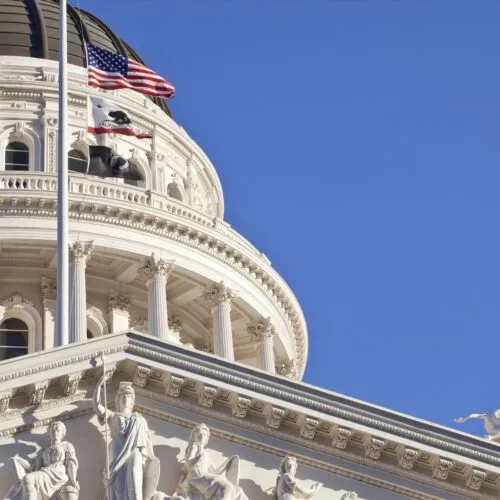
Pleading the Sixth: On September 20, 2026, Governor Gavin Newsom signed AB 690 into law, banning flat fee contracts in death penalty and life without parole cases. A second measure, AB 2605, signed September 27, will require counties to report data on their indigent defense systems to the Office of the State Public Defender. Both are a welcome start, but neither changes how indigent defense is structured. California remains one of only three states that leave county governments responsible for fully funding, administering, and delivering the constitutional right to counsel.
Gideon v. Wainwright makes the right to counsel a state obligation under the Sixth and Fourteenth Amendments. California’s failure to meet that obligation is long and well-documented, stretching back to late 1980s. The Sixth Amendment Center, the Office of the State Public Defender, and California Legislative Analyst’s Office have all published reports on the problem, and the ACLU has sued the state, Fresno County, and more recently, Kern County.
Wherever examined, the constitutional right to counsel deprivations uncovered are similar everywhere. So, what does signing these two bills mean for California?
The two bills: what they do and don’t accomplish
AB 690 bans counties and courts from entering into flat fee contracts in death penalty and life without parole cases because flat fees “threaten” the “constitutional guarantee of free and effective assistance of counsel to indigent people facing criminal charges.” This change applies to contracts entered after January 1, 2028, and it does not come with state funding.
California is joining a national trend. Under a flat-fee contract, a private attorney receives a fixed payment to handle cases regardless of how much work each case requires, disincentivizing spending time on any single appointed case. Flat fees are notorious and so problematic that other states have outright abolished their use. The Nevada Supreme Court and the Idaho Legislature both prohibit flat fee contracts. In 2024, Colorado enacted HB 1437 into law, which bans municipalities from using flat fee contracts and low hourly rates in certain cases because flat fee contracting “undermines the integrity of the criminal justice system” – and in 2026, the state expanded this ban to all cases in municipal courts. Michigan takes a broader approach, discouraging any payment method that creates a financial disincentive for private attorneys to work on their appointed cases.
AB 2605 focuses on data. It requires county governments to give the Office of the State Public Defender information on their delivery model, expenditures, staffing, attorney compensation, and case assignments. Counties must report every two years starting January 1, 2029, and the office must post a summary of the information on its website.
Has California turned the ship?
Time will tell. It’s unclear whether this is the start of a bigger change. AB 690 protects a narrow group of defendants, and AB 2605 will show the state what it doesn’t yet know. Neither resolves the underlying problem: California still requires each of its 58 counties to fulfill the state’s obligation to ensure counsel, but these bills could mark the moment California is finally ready to right this ship.


