Expert Services
We provide technical assistance that is tailored to the unique needs and requests in each jurisdiction. This ranges from staffing government task forces, to holding confidential one-on-one meetings, to testifying before legislatures when asked. We also educate the public through speaking engagements, our Pleading the Sixth blog, and sharing what we know about the right to counsel so you can help fix the issue.
Government Technical Assistance
Speaking Engagements
-
September 17, 2014
Indiana Public Defender Commission Indianapolis, Indiana
David Carroll discusses “Measuring the Right to Counsel in Indiana."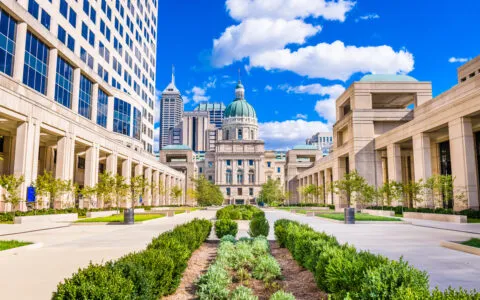
-
March 3, 2014
Mississippi Supreme Court Task Force on Indigent Defense Jackson, Mississippi
David Carroll, along with Mississippi State Public Defender Leslie Lee, presents “The Right to Counsel in Mississippi: Findings & Recommendations.”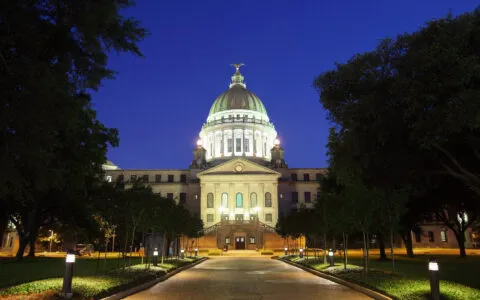
-
October 17, 2013
Idaho Legislative Interim Committee on Indigent Defense Boise, Idaho
David Carroll presents information to the Committee about “How States Structure Right to Counsel Services.”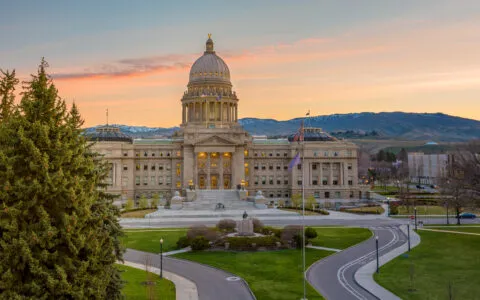
-
August 15, 2013
Idaho Legislative Interim Committee on Indigent Defense Boise, Idaho
David Carroll discusses “The Right to Counsel: Constitutional Requirements, Standards & State Trends.”
-
May 1, 2013
Michigan House Judiciary Committee Lansing, Michigan
David Carroll provides testimony on “The Right to Counsel in Michigan 50 Years after Gideon.”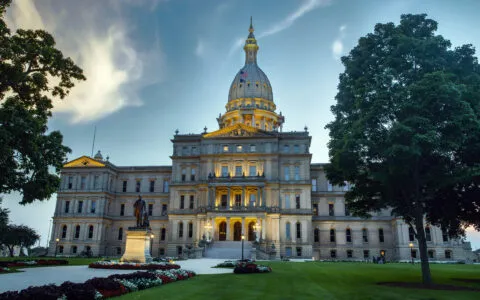
-
January 22, 2013
Utah State Legislature Salt Lake City, Utah
David Carroll makes his “Presentation before the President of the Utah Senate and the Speaker of the House.”
-
September 16, 2015
University of Massachusetts School of Law Dartmouth, Massachusetts
David Carroll makes a presentation to law students on the “National Perspective on Indigent Defense Systems and Standards.”
July 13, 2015
National Association of Counties, Annual Conference Charlotte, North Carolina
David Carroll, along with Preeti Menon of the Office of Justice Programs at American University, presents a workshop at NACo’s 80th Annual Conference & Exposition discussing how county officials and public defenders can join forces to form safer communities.
July 1, 2015
National Sheriff’s Association Baltimore, Maryland
David Carroll, along with Preeti Menon of the Office of Justice Programs at American University, presents at the NSA Annual Conference on “What Every Sheriff Should Know About the Sixth Amendment (or, How Criminal Defense Attorneys Improve Public Safety.”
June 12, 2015
Connecticut State Public Defender Hartford, Connecticut
David Carroll and Jon Mosher provide a joint presentation at the Annual Meeting of Connecticut public defenders on “The Right to Counsel: Systemic Safeguards for the Sixth Amendment.”
January 5, 2015
6AC Justice Watch program Jackson, Mississippi
In conjunction with Harvard Law School students and attorneys from Hogan Lovells US LLP, Jon Mosher and Elly Kalfus present “Justice Watch: Studying the Right to Counsel in Mississippi.”
December 14, 2014
Help Advance
Equal Access to JusticeThe Sixth Amendment Center is the only nonprofit dedicated exclusively to improving public defense systems across the country. Your support helps advance lasting, systemic change so every person has access to the effective legal representation the Constitution promises.
Support lasting reform by strengthening the constitutional right to counsel.
The Sixth Amendment Center is a tax-exempt 501(c)(3) nonprofit organization under EIN: 45-3477185.
Donations are tax-deductible to the fullest extent allowable under the law.